
Transforming Yoga Practice Into Lived Experience
This page is for dedicated students ready to dive into the nuts and bolts of our teacher training program.
Yoga Curriculum
We’ve designed our School Curriculums to support both students who want to deepen their understanding for lifelong self-practice and those pursuing a career in teaching. That’s why our programs are divided into three distinct focus areas:
Becoming a proficient student with embodied knowledge of Yoga philosophy and practice
Learning to guide clearly and support others in an encouraging environment.
Developing the skills to guide individuals with more complex or specialized needs.
Each path builds on the one before, honoring both personal growth and professional development.
Our Yoga curriculum emphasizes comprehensive knowledge in:
Traditional and Contemporary approaches to the Yoga
Evaluation skills for self-practice and somatic awareness
Research based pedagogy for teaching classes and private sessions
Language and facilitation for student-centric learning
Technical anatomy, biomechanics, neurology, and musculoskeletal physiology applied to teaching and performing the Pilates Method
Study of group movement social psychology and its impact on the fitness and wellness experience
Professionalism and ethics in the business of mindful movement
-
The 200 hour program is divided into three 3-week modules:
Module 1: January 6 - 23
Module 2: Feb 3-20
Module 3: March 3-20
Module 4: March 31-April 28
By exploring both pre-modern and modern yoga, this program develops a deep, embodied understanding of the theories and practices—an essential first step toward becoming an effective teacher. The curriculum builds the foundation for confident, skilled instruction by ensuring future educators first learn how yoga works in their own bodies and minds before learning how to guide others.
Over the course of the program, students will explore the history, philosophy, and evolution of yoga, in addition to learning and embodying the skills of yoga postures (āsana), breath techniques (prāṇāyāma), and meditation with an emphasis on safe and effective execution. Education throughout the program prioritizes cultural and historical accuracy, reinforcing the importance of being a skilled student who respects the origins of the practice while applying the wisdom of the teachings to modern practice. Beginning- and intermediate-level postural yoga and breath techniques are prioritized and supported by in-depth musculoskeletal anatomy education. Additionally, students will learn foundational yoga philosophy, subtle body (which includes the mind) metaphysics, and yoga therapy applications.. Additional tools—such as props and therapeutic techniques—are integrated to encourage intelligent, sustainable, and effective personal practice.
There will be shorter exams throughout the program to assess what students have learned and where there may be areas that need further attention. The program culminates with a final 2 hour written exam.
This program is also designed to prepare students for the next stages of certification, including the 300-hour General Educator Certificate or the 500-hour Yoga Professional Certificate. Being a dedicated, respectful, and safety-conscious student is the key to becoming an exceptional teacher.
Required Texts:
200 Hour Yoga Pathway by Meghan Maris - Provided by the studio
Anatomy of Movement by Blandine Calais-Germain
Meditation: Key to Spiritual Awakening by Mary Ellen Flora
Yoga Sequencing: Designing Transformative Yoga Classes by Mark Stephens
The Yoga Sutras of Patañjali: A New Edition, Translation, and Commentary by Edwin Bryant
The Bhagavad Gita by Eknath Easwaran
The Truth of Yoga by Daniel Simpson
-
100-Hour Yoga General Education Certificate plus 200 Yoga Pathway
The 100 hour program meets in person with one 5-week module:
Module 1: May 7-26
Module 2: June 2-19
The Yoga General Education Certificate is a 100-hour program that follows the 200-Hour Practitioner Pathway, bridging the gap between dedicated student and emerging teacher. Blending professionalism, pedagogy, alignment principles, and foundational sequencing, this focused track emphasizes practical application in real-world class settings.
A primary goal of this program is to develop a clear understanding of Scope of Practice—teaching within the limits of your training, maintaining strong ethics, and honoring your responsibility to the community. This includes recognizing how your personal level of education shapes what and how you teach.
Graduates will leave with the confidence and skills to lead intermediate-level mat classes for the general public. Education prioritizes scope of practice, sequencing, and verbal cueing, alongside an applied understanding of demonstration techniques and the influence of environmental conditions on learning.
Certification Requirement
To receive certification, students must pass an Open Level Class Test-Out, which includes leading a full class and receiving educational feedback from a supervising instructor.What’s Included
Students receive an interactive manual and workbook featuring:Class planning templates designed to create safe, healthy, and effective movement experiences for diverse participants
Communication strategies for optimizing learning environments
Foundations of feedback to maintain safety and responsiveness in class
Teaching journal prompts to inspire reflection and professional growth
This program is ideal for those who want to teach as a secondary profession or contribute to their community through movement education.
Required Texts
Yoga Pathway by Meghan Maris - Provided by the studio
Anatomy of Movement by Blandine Calais-Germain
Teaching Yoga Second Edition by Mark Stephens
Haṭhapradīkā by Swami Muktibodhananda
-
200-Hour Yoga Professional Certificate plus 200-Hour Yoga Pathway and 100-Hour General Educator Program.
The 200 hour Yoga Professional Program meets in person with two modules:
Module 1: 2027 Dates TBD
Module 2: 2027 Dates TBD
The Yoga Professional Certificate is designed for those pursuing a long-term vocation in yoga—working with diverse populations, leading educational workshops, and developing specialized teaching focus.
This advanced program builds on the foundation of the 200-Hour Practitioner Pathway and the 100-Hour General Education Certificate, expanding your skills to meet the needs of a wide range of students. You’ll develop the ability to assess, adapt, and create safe, effective yoga experiences for both individuals and groups in specialized environments.
Through a combination of independent study, in-person training, applied assignments, and mentorship, the program blends technical expertise with creative teaching strategies—preparing you to be both a precise practitioner and an adaptable, innovative educator.
The Curriculum Includes:
Advanced Anatomy, Neurology, and Physiology – deepening your understanding of how the body functions and responds to Pilates practice
Tactile Adjustment Techniques – hands-on cueing skills to support alignment, movement efficiency, and student confidence
Injury Education – strategies for working safely with students recovering from or managing injuries
Special Populations Training – adapting yoga practices for older adults, pre/postnatal clients, neurological conditions, and other unique needs
Refined Critical Thinking Skills – for assessment, decision-making, and adapting sessions in real time
Creative Education Methods – bridging pre-modern philosophy and practices with contemporary approaches to support individuals living in the world today
Private Session Instruction – structuring, sequencing, and delivering impactful one-on-one sessions
Ethics and Scope of Practice – understanding your professional boundaries and responsibilities as an advanced instructor
Certification Requirement
To receive certification, students must successfully complete a 2-hour test-out process, which includes:Teaching a private session with an assigned client
A feedback and assessment session with Meghan Maris
A written exam covering key concepts, safety, and application of the material
Upon completion, graduates are invited to join the substitute teaching roster at The Practice Space, supporting the transition into professional teaching and offering valuable real-world experience as they grow into a full-time role.
Cost and Payment Options
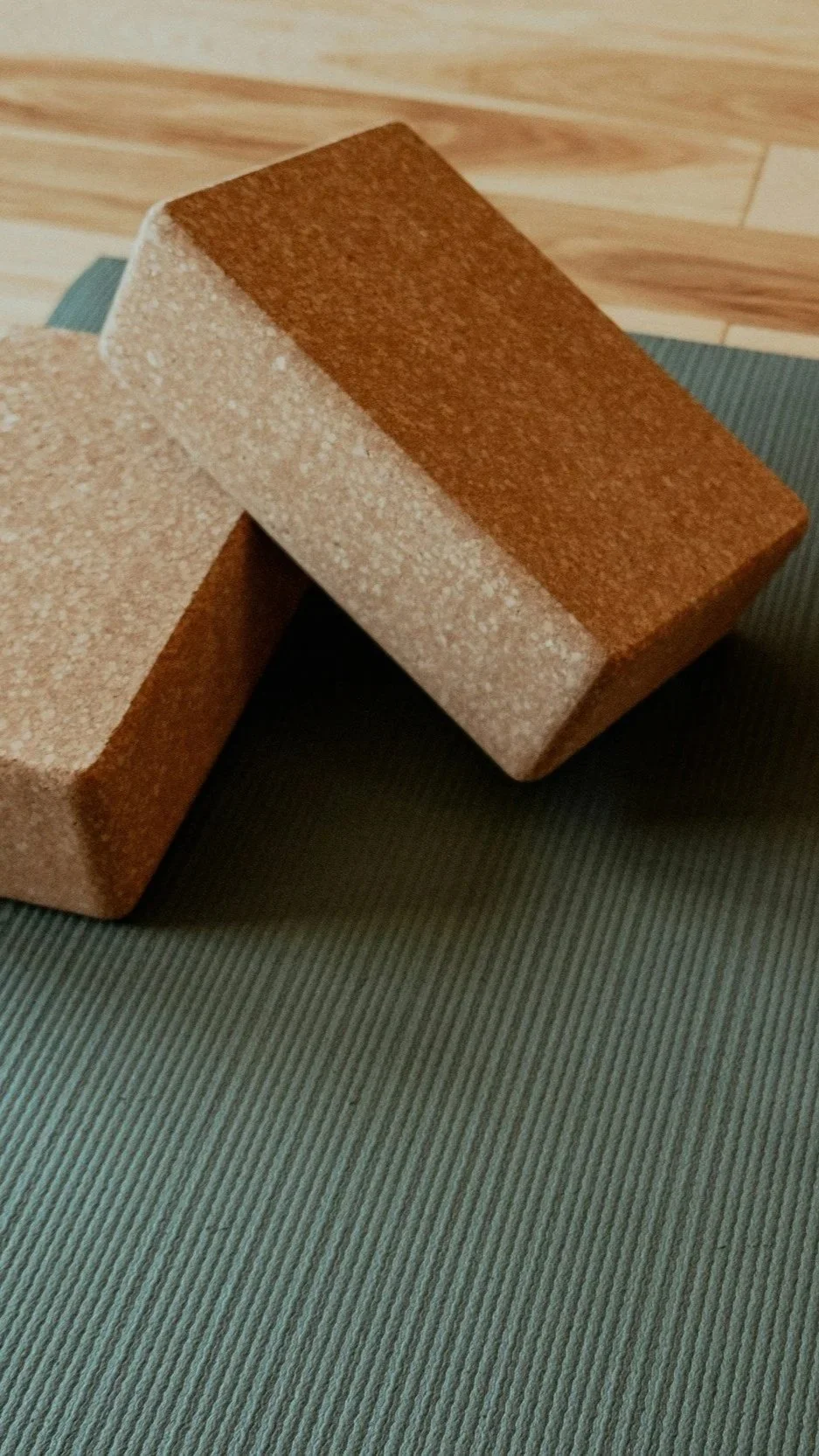
200 Hour Practitioner Pathway
Total Investment: $3,650 This all-inclusive tuition is designed to support both your education and your personal practice. Your investment includes:
Unlimited mat classes for 1 year
5 private sessions
Secure Your Spot: $750 deposit
Early bird pricing receives 10% off ($500) applied to your remaining balance.
Flexible Payment Options: Choose a payment plan of up to 24 months to make your investment manageable.
100-Hour General Education
When combined with the 200-Hour Practitioner Pathway, this 100-hour program contributes toward a 300-hour certification, an excellent entry point into the teaching world.
Total Cost: $1,500
Deposit to Secure Your Spot: $150
Payment Plans: Flexible options available. Choose a term of up to 24 months to complete your payments.

200 Hour Yoga Professional
When combined with the 200-Hour Practitioner Pathway and the 100-Hour General Education Program, this 200-hour program contributes toward a 500-hour certification, meeting requirements for jobs at any established yoga studio.
Total Cost: $2500
Deposit to Secure Your Spot: $200
Payment Plans: Flexible options available. Choose a term of up to 24 months to complete your payments.
Curriculum and Expectations
In Person Learning Schedule for all programs
Each module for all phases of the program meets at the following times:
Wednesdays (In studio, Woodstock): 6:00-8:00pm
Fridays (In studio, Woodstock): 6:00–8:00pm
Saturdays (In studio, Woodstock): 9:00am-4:00pm
To receive certification, students must attend at least 80% of all scheduled learning days. Any missed sessions must be made up through self-study assignments to ensure all course material is completed.
Self-Practice Requirements
Each module includes dedicated self-practice time, movement experienced in your own body is essential preparation for teaching others. Below are the self-practice requirements for each level of the program:
200-Hour Pathway
50 hours of yoga classes
25 hours of self-guided studio practice
5 private sessions with a training instructor
300-Hour General Education Certification
20 hours of mat classes
15 hours of self-practice
500-Hour Yoga Professional Certification
25 hours of self-practice
Observation of Other Teachers
Not all learning happens through movement. Some of the most valuable insights come from observing others teach. Our programs include dedicated observation hours to support deeper understanding of cueing, sequencing, and classroom dynamics.
200-Hour Pathway
Not required
300-Hour General Education Certification
10 hours observing mat classes
500-Hour Pilates Professional Certification
25 hours observing group classes
5 hours observing private sessions
Important Note:
At The Practice Space, we emphasize deliberate practice over passive observation. These hours are not fulfilled by simply sitting and watching. At least 50% of your observation time will include peer discussions, teaching analysis, and written assignments designed to actively engage you in the learning process.
Observation with intention is key to becoming a thoughtful, responsive teacher.
(Un)Supervised Teaching
Teaching is one of the most powerful ways to learn. Practicing how to observe, cue, and refine others not only deepens your understanding, it trains your eye and sharpens your voice as an educator.
200-Hour Pathway
Not required
300-Hour General Education Certification
20 hours of (un)supervised teaching
500-Hour Pilates Professional Certification
60 hours of (un)supervised teaching
Important Note: Many supervised teaching hours will occur during in-person training days. Not all hours must take place in the studio, flexibility is built in order to make all learning scenarios as optimal as possible.
Certification FAQs
-
All programs for certification meet three times per week during each module:
Thursdays: 5:30–9:00pm
Saturdays (Virtual and In studio): 10:00am–12:00pm ZOOM and 1:30-5:30 pm in studio
Sundays (In studio or Livestream 2x per module) : 8:00–8:50am
The 200 hour program is divided into three 3-week modules and one two-week module:
Module 1: September 10 – September 27
Module 2: October 8 – October 25
Module 3: November 5 – November 22
Module 4: December 3 - 12
The 100 hour program meets in person with one 5-week module:
Module 1: January 7th - February 6th
The 200 hour Yoga Professional Program meets in person with two modules:
Module 1: February 18th - March 13th
Module 2: April 1st - April 24th
-
210 hours are completed through scheduled in-person training sessions and assignments for meetings that occur on Thursday, Saturdays, and two Sundays (in studio or livestream) per module.
The remaining hours are completed independently and include:
135 hours of self-practice — taking classes, private sessions, and self-guided practice in the studio.
70 hours of observation — watching classes and private sessions led by certified instructors. Projects will be assigned to encourage reflection on teaching skills and execution.
80 hours of practice teaching — working with others in an interactive, clinical-style setting, with teachers observing and providing feedback on your teaching skills and execution.
3 hours of community class teaching - yoga professionals are required to teach 3 open level classes to our PDX community.
This structure ensures a well-rounded blend of learning, embodiment, and application.
-
Yes—assignments are thoughtfully designed to support your learning and help you apply each lesson. For teaching certification, you’ll complete both practical and reflective assignments, due a few times throughout each module.
Students are required to complete assigned readings from the manuals before each learning day to ensure meaningful, in-depth discussion during our sessions.
Interactive assignments are also integrated into your self-practice, observation hours, and other independent work, giving you hands-on opportunities to deepen your understanding and develop your teaching skills.
-
Income as a yoga teacher can vary based on location, schedule, and where you teach. Many part-time teachers working 8–10 sessions per week can earn around $20,000 USD per year, depending on attendance and rate structure.
Full-time positions do exist and may offer stable income and benefits such as health insurance, paid time off, and retirement savings, particularly in established studios, wellness centers, or educational institutions. As your experience grows, so does your earning potential through private sessions, workshops, and advanced teaching roles.
Here’s the exciting part: If you choose to teach after graduation, it’s very possible to earn back your $7,500 investment within your first year—and this is much more likely with a full 500-hour certification. The comprehensive training opens more job opportunities across the city and qualifies you to teach private sessions, which often pay significantly more than group classes.
-
Full 500-Hour Yoga Teacher Certification
Total Investment: $7,650Comparable programs often range from $8,000–$10,000 and may not include the cost of classes, private sessions, or materials. We’ve designed our training to be accessible, transparent, and rooted in community and quality education.
Program Tuition Breakdown
200-Hour Practitioner Pathway: $3,650
100-Hour General Education: $1,500
200-Hour Pilates Professional: $2,500
Unlike many programs that charge separately for practice hours, studio access, and materials, our tuition includes everything—no hidden fees.
Deposits to Secure Your Spot
200-Hour Practitioner Pathway: $750
100-Hour General Education: $150
200-Hour Pilates Professional: $200
The deposit portion for each program must be paid in full at registration. Remaining tuition can be paid in full or through a monthly payment plan, which includes a $25 service fee per installment.
-
For the Yoga Pathway only, please visit that specific FAQ section.
Yes! We offer flexible payment plans for both the 300-hour certification and the 500-hour certification.
Each plan begins with an upfront deposit (paid in full at registration). For payment plans, a $25 administrative fee is added to each monthly installment.
Example Payment Plans
3-Month Plan
300-hour: Deposit $900, then 3 monthly payments of $1,417
500-hour: Deposit $1,100, then 3 monthly payments of $2,184
6-Month Plan
300-hour: Deposit $900, then 6 monthly payments of $709
500-hour: Deposit $1,100, then 6 monthly payments of $1,092
12-Month Plan
300-hour: Deposit $900, then 12 monthly payments of $355
500-hour: Deposit $1,100, then 12 monthly payments of $546
Special Offer: Register for the 200-Hour Practitioner Pathway before August 10th, 2025 and save $360. this may modify the payment plans to be slightly reduced. Please note: No discounts apply to the training portion of the program.
-
Absolutely! If your goal is to teach at a local gym, community center, or in a less formal setting, you can enroll in our 300-hour certification track. This track includes:
200-Hour Pilates Practitioner Course
100-Hour General Educator Course
The 300-hour pathway focuses on all-level Haṭha yoga class and provides the skills and certification needed for many community-based teaching roles.
Important to Know: This shorter pathway is not designed to prepare you for teaching in a fully equipped, classical Pilates studio. Studios that follow the comprehensive Pilates method typically require a full 500-hour certification to ensure proficiency across all apparatus and advanced repertoire.